
Recovery and Fitness: How Proper Recovery Enhances Longevity
14 February 2026 · By StayFit.mu · Updated 16 June 2026
Introduction
In the quest for peak physical fitness and a longer, healthier life, many of us focus primarily on exercise routines, diet, and supplementation. But there's a critical component of fitness that often gets overlooked: recovery. Proper recovery isn't just a passive period between workouts; it's an active and essential part of any fitness regimen. Understanding and optimizing recovery can significantly enhance performance, prevent injury, and contribute to a longer healthspan. Let's dive into why recovery is so crucial and how you can ensure you're doing it right.
The Role of Recovery in Fitness
When we exercise, especially during intense workouts, we create microtears in our muscle fibers. The recovery phase is when these fibers repair and strengthen, leading to muscle growth and improved endurance. According to a study published in the Journal of Applied Physiology, proper recovery can significantly enhance muscle adaptation, resulting in improved performance over time.
Moreover, recovery isn't just about the muscles. It involves the entire body, including the nervous system, which also needs time to recuperate. Adequate recovery helps in restoring energy reserves, reducing fatigue, and balancing hormone levels, all of which are crucial for optimal performance and longevity.
Preventing Injuries with Proper Recovery
Inadequate recovery can lead to overtraining syndrome, characterized by fatigue, decreased performance, and even increased risk of injury. A study from the British Journal of Sports Medicine highlights that athletes who neglect recovery are more prone to stress fractures, tendonitis, and other overuse injuries.
Implementing proper rest periods allows the body to heal and adapt, reducing the likelihood of injuries. This can be achieved through sufficient sleep, active recovery days, and listening to your body's signals. Integrating recovery into your fitness routine isn't a sign of weakness; it's a strategic approach to maintain long-term health and performance.
Enhancing Performance Through Recovery
Recovery is not merely about taking a break from exercise; it's about optimizing your body's ability to perform at its best. A well-structured recovery plan can include techniques such as dynamic stretching, foam rolling, and massage therapy, which have been shown to improve circulation and reduce muscle soreness.
Additionally, incorporating practices like mindfulness and stress management can enhance the quality of recovery. According to a study in the Journal of Sports Sciences, athletes who engage in mindfulness practices report better sleep quality and faster recovery times. These elements together help ensure that when you do hit the gym or the track, you're doing so with maximum potential.
Recovery and Longevity
The benefits of proper recovery extend beyond immediate fitness goals. By reducing the risk of injury and burnout, effective recovery strategies contribute to a longer healthspan. Engaging in regular exercise is known to be one of the most effective ways to increase longevity, but the key is to balance exertion with adequate recovery.
The concept of "active aging" emphasizes maintaining physical activity throughout one's life, and this is where recovery plays a vital role. Ensuring that your body can sustain this activity over the years means prioritizing recovery from the start. As we age, recovery may take longer, making it even more crucial to integrate effective recovery strategies to maintain fitness and health.
Practical Recovery Strategies
To enhance recovery and, by extension, your healthspan, consider incorporating the following strategies into your routine:
Prioritize Sleep: Aim for 7-9 hours of quality sleep per night. Sleep is when the body does most of its repair work.
Active Recovery: Engage in low-intensity activities like walking, swimming, or yoga on rest days to promote circulation without overexertion.
Nutrition: Fuel your body with a balanced diet rich in protein, healthy fats, and carbohydrates to support muscle repair and energy replenishment.
Hydration: Keep hydrated to facilitate cellular functions and muscle repair.
Mindfulness and Relaxation: Incorporate stress-reducing practices such as meditation, deep breathing, or tai chi.
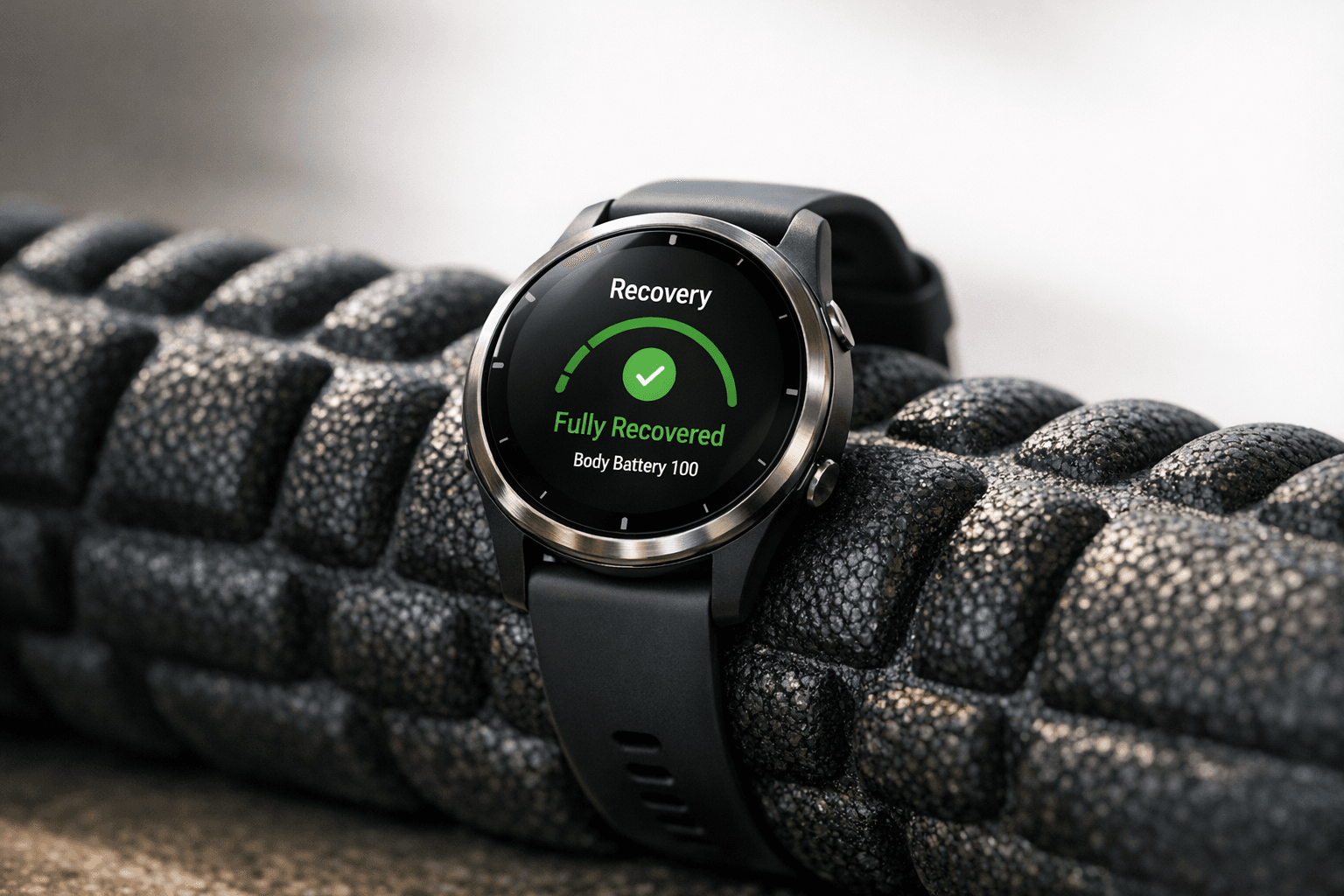
Use of Technology: Consider using fitness wearables available on Healthspan.mu to monitor your recovery metrics such as heart rate variability and sleep patterns, providing insights into your recovery process.
Conclusion
Recovery is not merely the absence of activity; it is an essential component of a successful fitness regimen and a longer healthspan. By understanding and prioritizing recovery, you can not only enhance your performance but also enjoy a more balanced, injury-free, and healthier life. Remember, the goal is not just to push your limits but to maintain and nurture your body for the journey ahead. So, lace up those sneakers, but don't forget to rest and recover, your future self will thank you!
Staying active is the foundation of a longer, healthier life. Explore the wider Healthspan health ecosystem.