
Clean Fuel: Building a Training Pantry That Works as Hard as You Do
10 July 2026 · By StayFit.mu
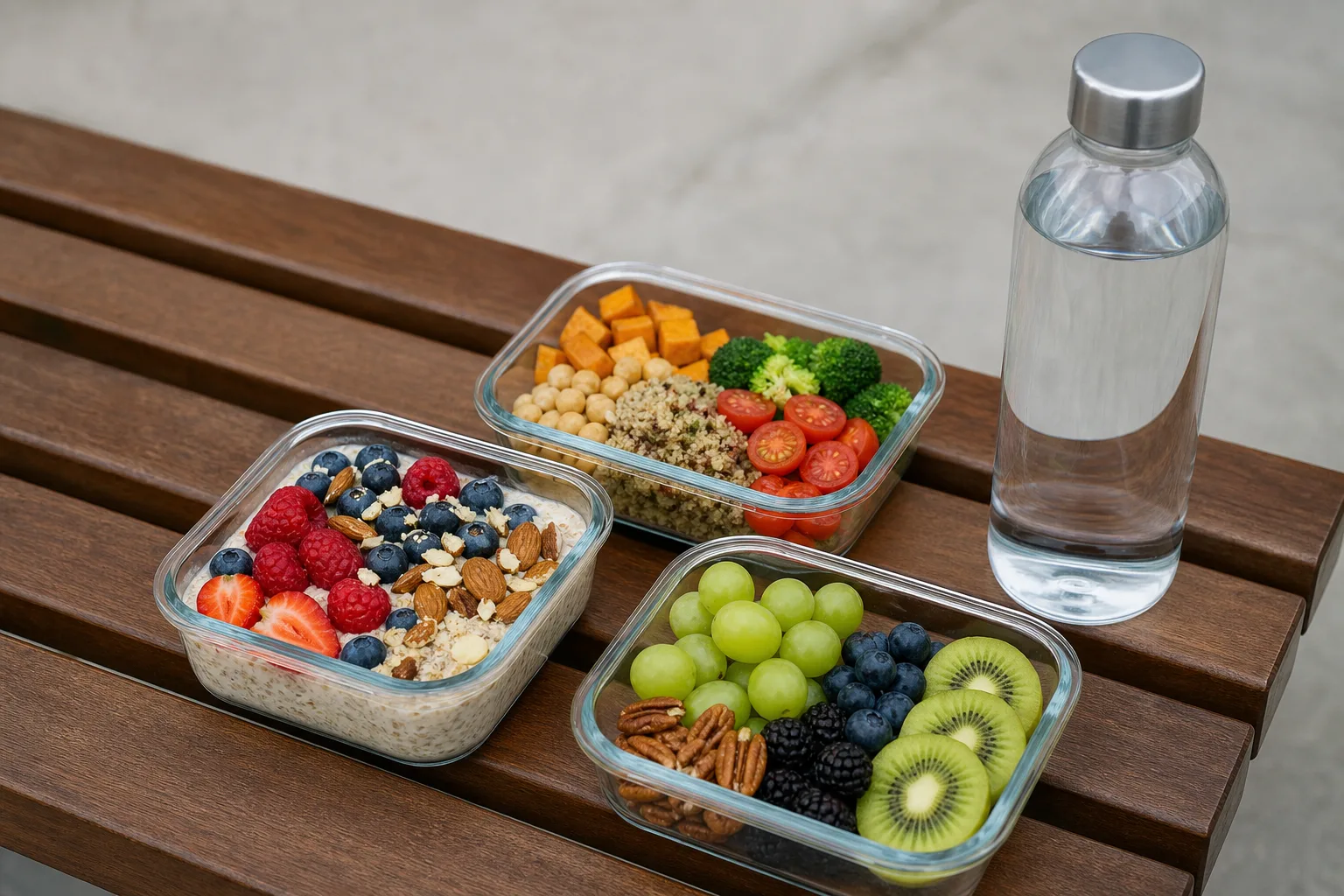
Plenty of us train hard and then quietly undo the work in the kitchen, not through lack of discipline but through lack of planning. When the cupboard holds nothing useful at 7pm after intervals in the heat, the takeaway app wins. The fix is not more willpower. It is a better pantry.
A training pantry is a small set of dependable, minimally processed foods that cover energy, protein, and recovery without you having to think on a tired Tuesday evening. Build it once, restock it weekly, and most of your nutrition decisions are already made before hunger gets a vote.
Why Whole Foods Are Still the Best Sports Nutrition
Sports nutrition marketing can make fueling feel like chemistry homework, but the fundamentals have not changed. Carbohydrate fuels hard sessions, protein supports repair, and fats, fibre, and micronutrients keep the whole system running between workouts.
Whole foods deliver all of this in one package. Oats bring slow-release carbohydrate plus fibre that helps steady energy through the morning. Nuts combine fats, protein, and minerals such as magnesium, which is involved in normal muscle function. Legumes like lentils, chickpeas, and red beans pair carbohydrate with plant protein, exactly the combination most training meals need. Dried fruit, think dates, raisins, and local dried mango, gives you fast, portable carbohydrate for before or during long sessions, no lab coat required.
Research also suggests that people who build meals from minimally processed ingredients tend to find appetite and energy easier to manage than those eating mostly ultra-processed products. If you train four or more times a week, that day-to-day steadiness is worth more than any single trendy ingredient.
The Core Shelf: What Earns a Permanent Spot
Keep the list short and ruthless. Everything on the shelf should either fuel a session, rebuild after one, or make a fast meal possible. A solid starting point for a Mauritian kitchen:
- Oats, brown rice, and wholegrain noodles or pasta for your carbohydrate base
- Lentils, chickpeas, red beans, and tinned or dried pulses for protein-carb combos
- Nuts, seeds, and natural peanut butter for fats, minerals, and easy snacks
- Dried fruit and honey for quick fuel around training
- Tinned fish, eggs, and plain yogurt in the fridge as fast protein anchors
- Olive or coconut oil, garlic, ginger, and spices so simple food still tastes like dinner
That is roughly one shopping basket. With it you can assemble porridge with fruit and nuts, dhal with rice, a tuna and bean salad, or a yogurt bowl in under fifteen minutes each.
Protein Without the Ultra-Processing
Protein is where good intentions most often turn into long ingredient lists. Bars, shakes, and fortified snacks are convenient, but many are closer to confectionery with added protein than to real food. If most of your protein arrives in a wrapper, it is worth rebalancing.
Whole-food protein is cheap, boring, and effective: eggs, plain yogurt, tinned sardines and tuna, legumes, and peanut butter cover the vast majority of training needs. Commonly cited guidance for active people is to anchor each meal around a palm-sized portion of protein rather than chasing one giant dose after the gym.
Supplements still have a place, especially for convenience on heavy weeks. The rule is to treat them like food, not magic. Read the label, favour short ingredient lists, and buy from a transparent, certified organic supplement range rather than whichever tub shouts loudest. If a product will not tell you plainly what is in it, your pantry does not need it.
Hydration and Electrolytes You Can Eat
Training in Mauritian heat and humidity means real sweat losses, and sweat carries sodium and other electrolytes with it. You do not automatically need a neon sports drink to replace them. Food does most of the job.
Salting your post-training meal replaces sodium. Fruit, vegetables, potatoes, and legumes supply potassium. Nuts, seeds, and wholegrains contribute magnesium. Coconut water, easy to find across the island, adds fluid and some potassium after lighter sessions. For most people training around an hour a day, water plus normal, well-seasoned meals covers hydration comfortably. Longer or very sweaty sessions may justify something more targeted.
A quick note here: this is general information, not medical advice. If you manage blood pressure, kidney issues, or any condition affected by fluid and salt intake, discuss your hydration approach with your doctor first.
When Organic Matters Most for High-Volume Eaters
Should everything in the pantry be organic? Honest answer: it matters most when volume is high. A person training hard might eat the same staples every single day, oats each morning, peanut butter by the jar, dried fruit through every long ride. When you eat that repetitively, the quality of those few foods carries more weight than it does for an occasional consumer.
A practical approach many nutrition professionals suggest is to prioritise organic versions of the foods you eat in the largest quantities and those you eat unpeeled, then relax about the rest. Perfection is not the goal, consistency is.
Access to that kind of food in Mauritius is improving. Naturespan, a new certified organic grocery destination on the island, already has a food truck on the road and opens stores in Grand Baie and Tamarin from 1 September 2026, which should make stocking an organic-leaning training pantry considerably easier for local athletes.
Plan the Week, Not the Meal
The final upgrade is thinking in weeks instead of meals. Look at your training schedule and let it set the menu. Bigger carbohydrate portions land on interval, hill, or long-session days. Easier days lean on vegetables, legumes, and protein. One batch-cooking session, a pot of dhal, a tray of roasted vegetables, a few boiled eggs, quietly feeds three or four days.
If mapping that out on paper feels like a chore, a free meal planner can do the structural thinking for you, so you only decide once per week instead of twenty-one times. The point is not rigid meal prep. It is removing the nightly negotiation with your tired self.
The Bottom Line
Your pantry is training equipment. Stock it with oats, legumes, nuts, dried fruit, and honest protein, hydrate mostly from food and water, spend your organic budget where your eating volume is highest, and plan by the week. None of it is glamorous, and that is exactly why it works, session after session, month after month.
Staying active is the foundation of a longer, healthier life. Explore the wider Healthspan health ecosystem.